
ISLAMABAD: The Pakistan Polio Eradication Initiative (PEI) will conduct a sub-national polio vaccination campaign from September 21–27, aiming to reach more than 31 million children under five in 115 high-risk districts across the country.
The September campaign will take place across Balochistan, Gilgit-Baltistan, Islamabad, Khyber Pakhtunkhwa, Punjab and Sindh, focusing particularly on high-risk and hotspot areas where children remain vulnerable to poliovirus transmission.
The campaign will also be synchronized with vaccination activities in Afghanistan as part of coordinated efforts to interrupt poliovirus transmission across the two neighbouring countries.
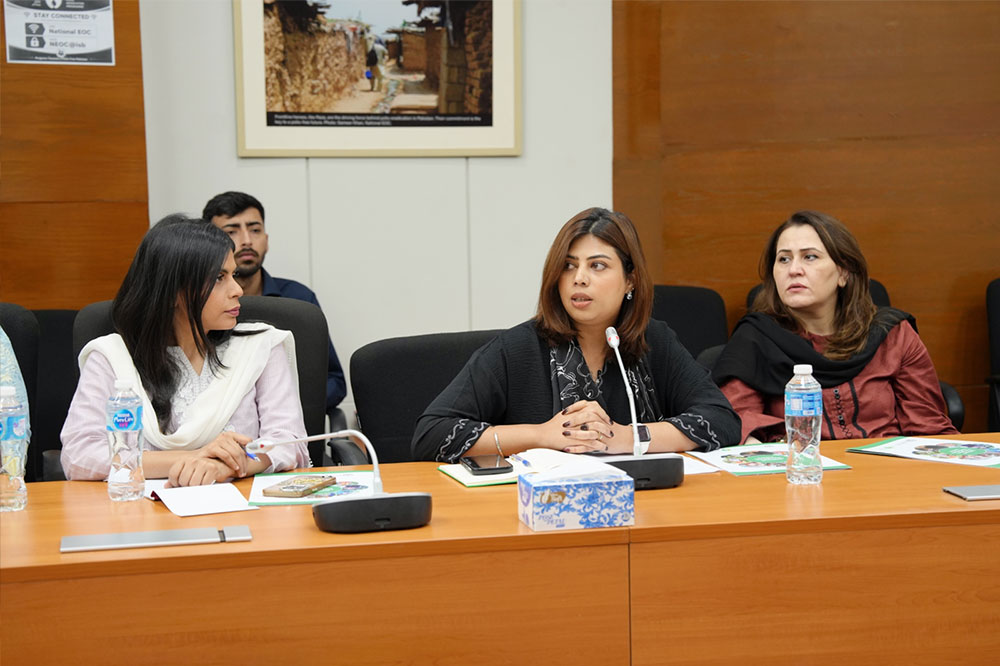
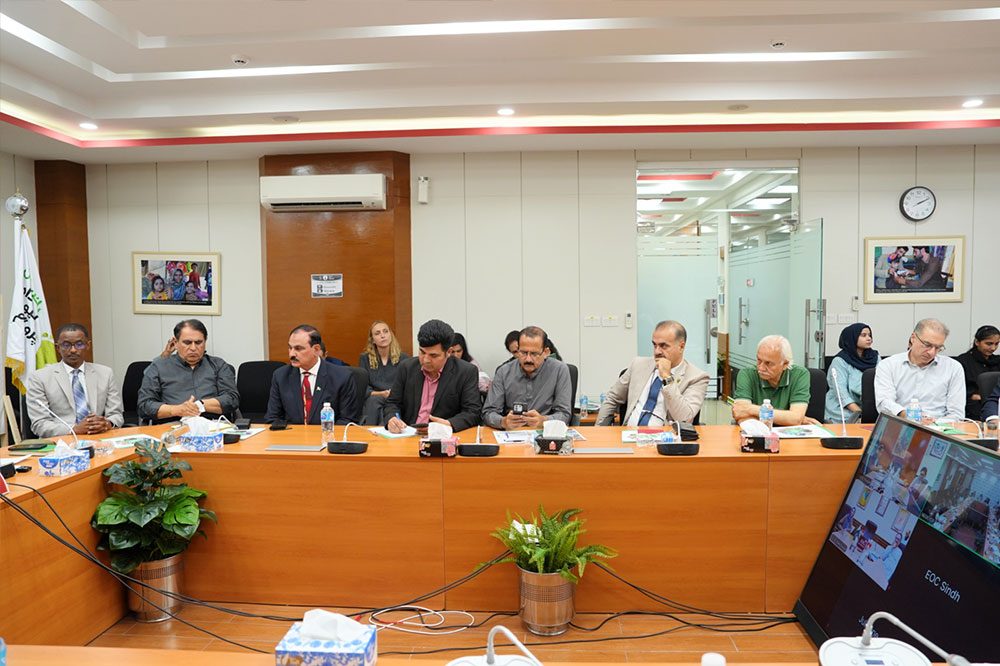
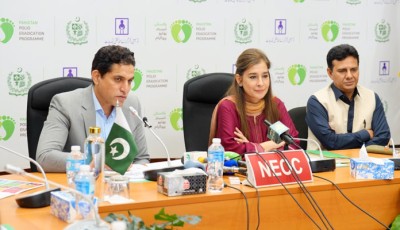
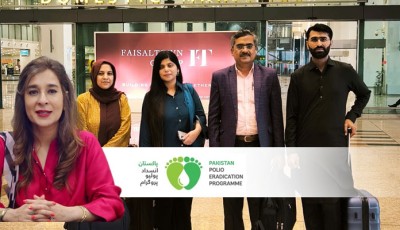
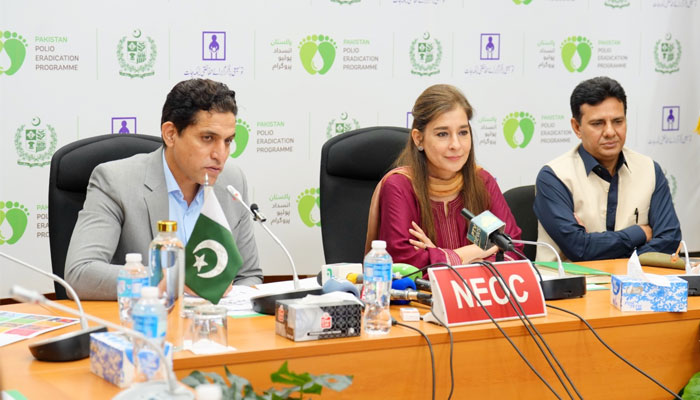
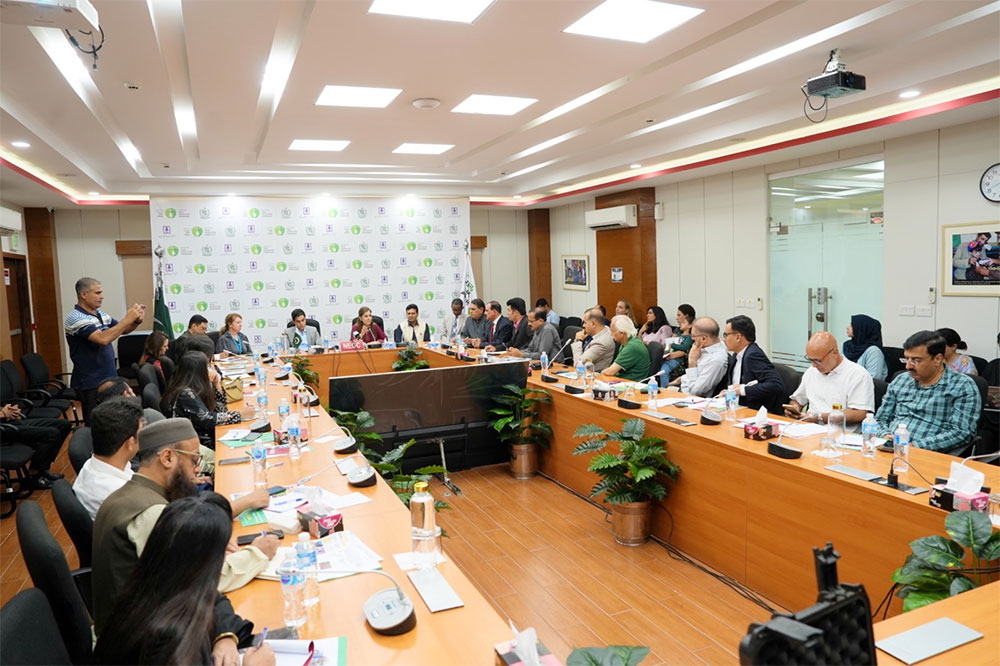
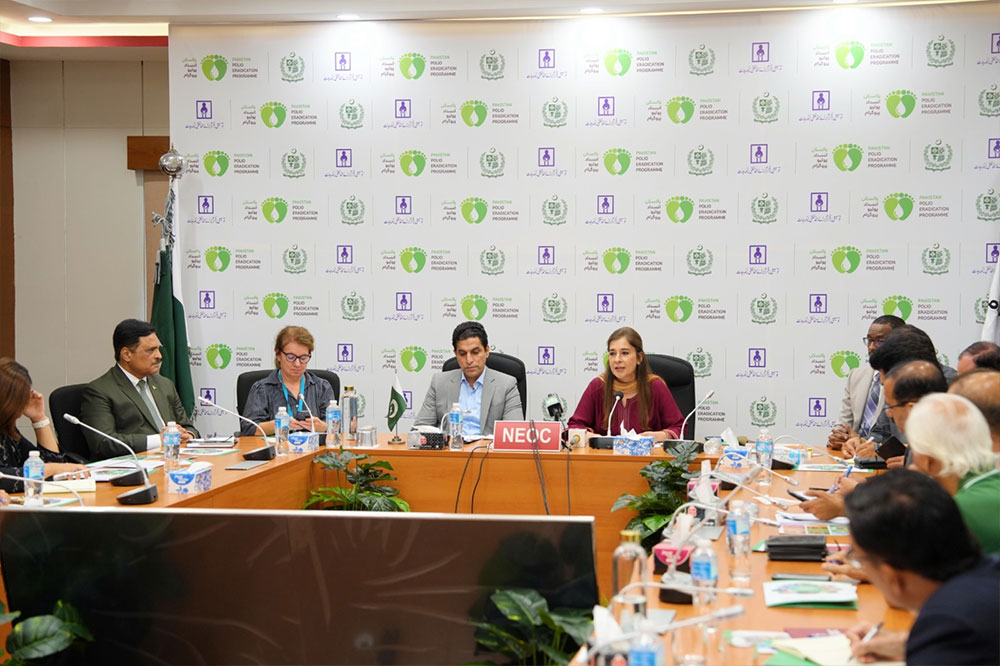
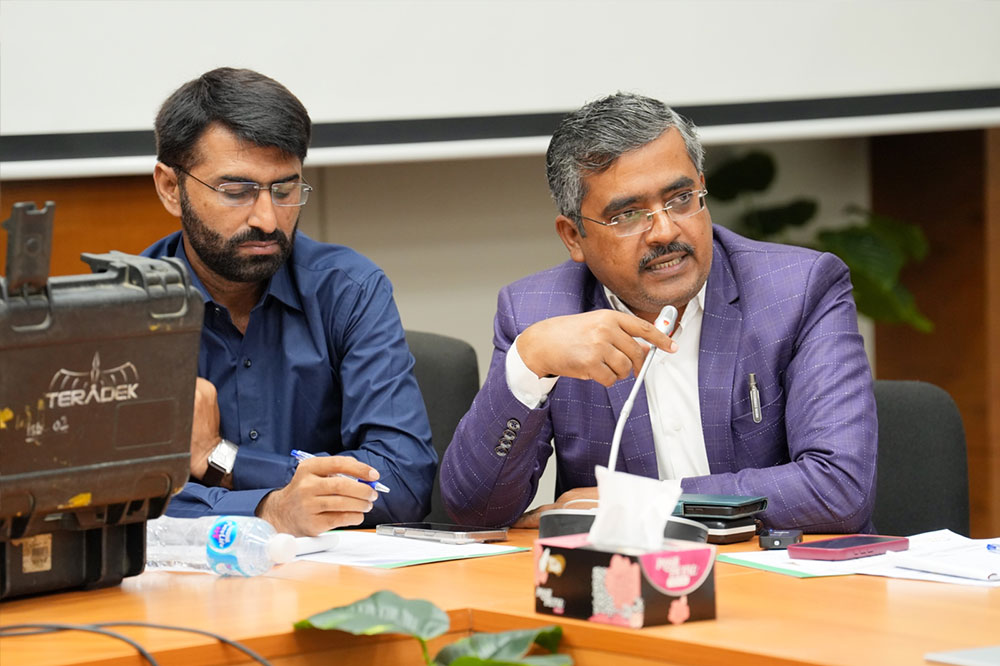
Ahead of the campaign, Prime Minister’s Focal Person for Polio Eradication Ayesha Raza Farooq convened health journalists from Punjab, Sindh, Khyber Pakhtunkhwa, Balochistan and Islamabad at the National Emergency Operations Centre (NEOC) in Islamabad, where PEI leadership and technical experts briefed the media on campaign preparations, surveillance findings, vaccination strategies and efforts to reach every eligible child.
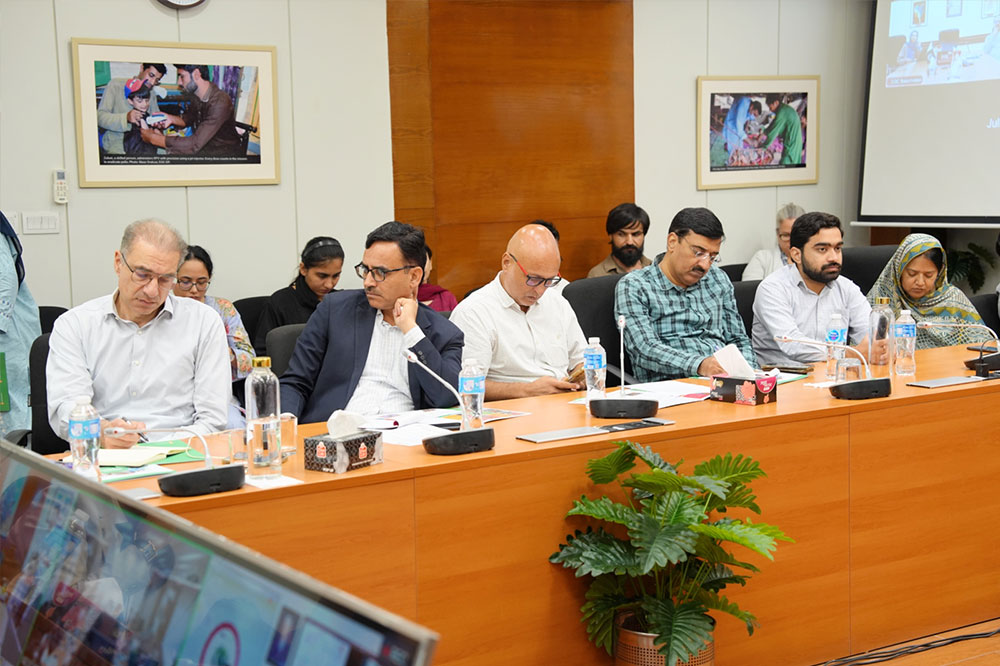
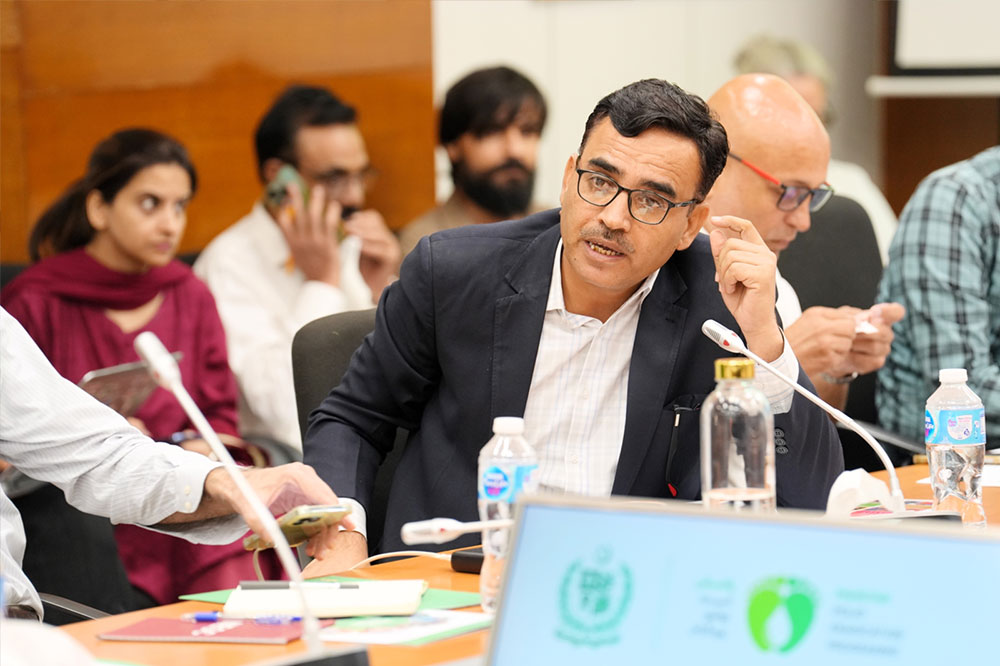
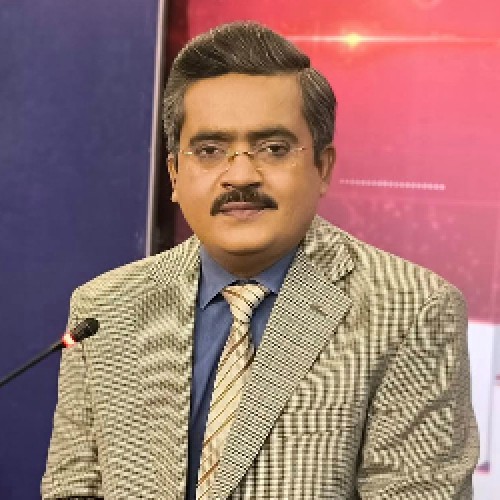
Journalists participating from Karachi included Akhtar Shaheen Rind, President of the Health Reporters Association (HRA) Karachi and Founder & Editor-in-Chief of Health Matters Media; Kanwal Jatoi, Information Secretary of HRA Karachi; and journalists Rabia Mushtaq and Shafqat Aziz.
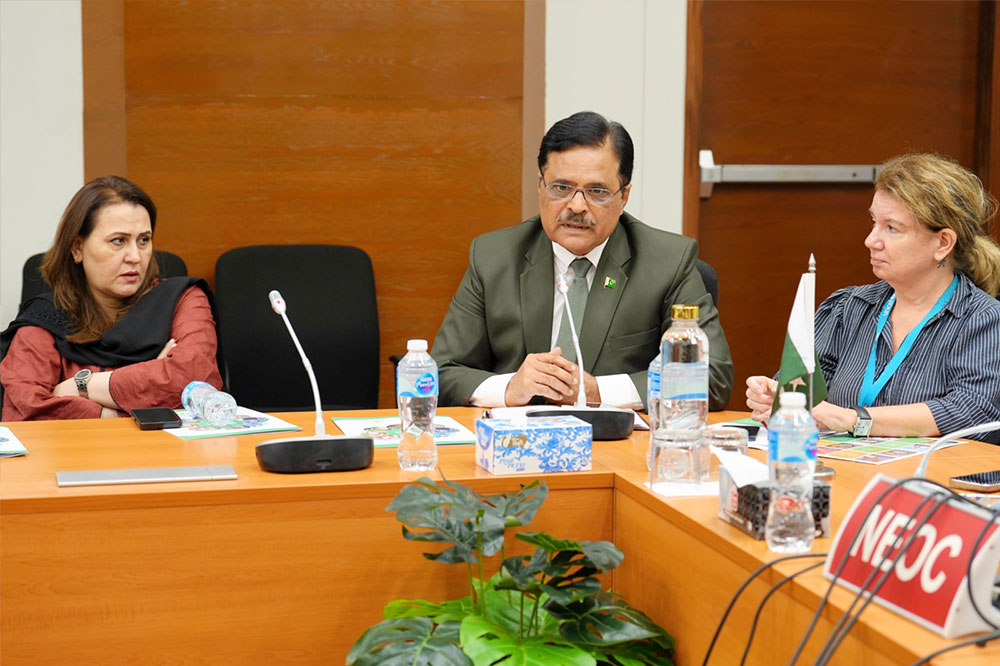
Health journalists representing different cities and provinces actively participated in an extensive question-and-answer session with the polio programme leadership and technical experts, raising a wide range of issues related to Pakistan’s continuing fight against poliovirus.
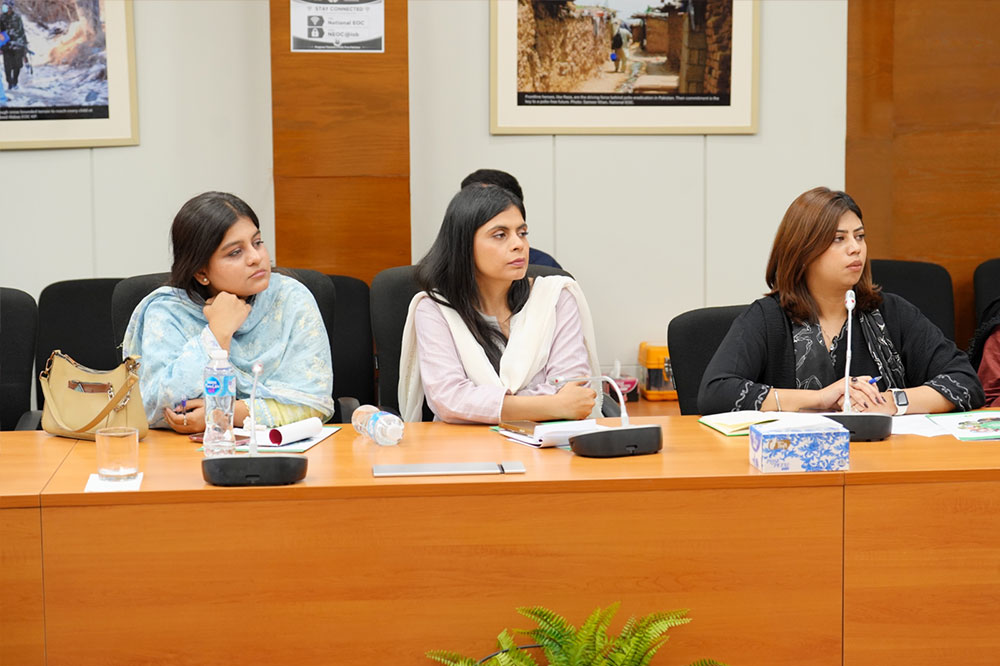
The discussion covered the sacrifices and security challenges faced by police personnel protecting polio teams and the difficulties encountered on the ground by vaccinators, Lady Health Workers (LHWs) and other frontline personnel responsible for reaching children, particularly in high-risk and hard-to-reach communities.
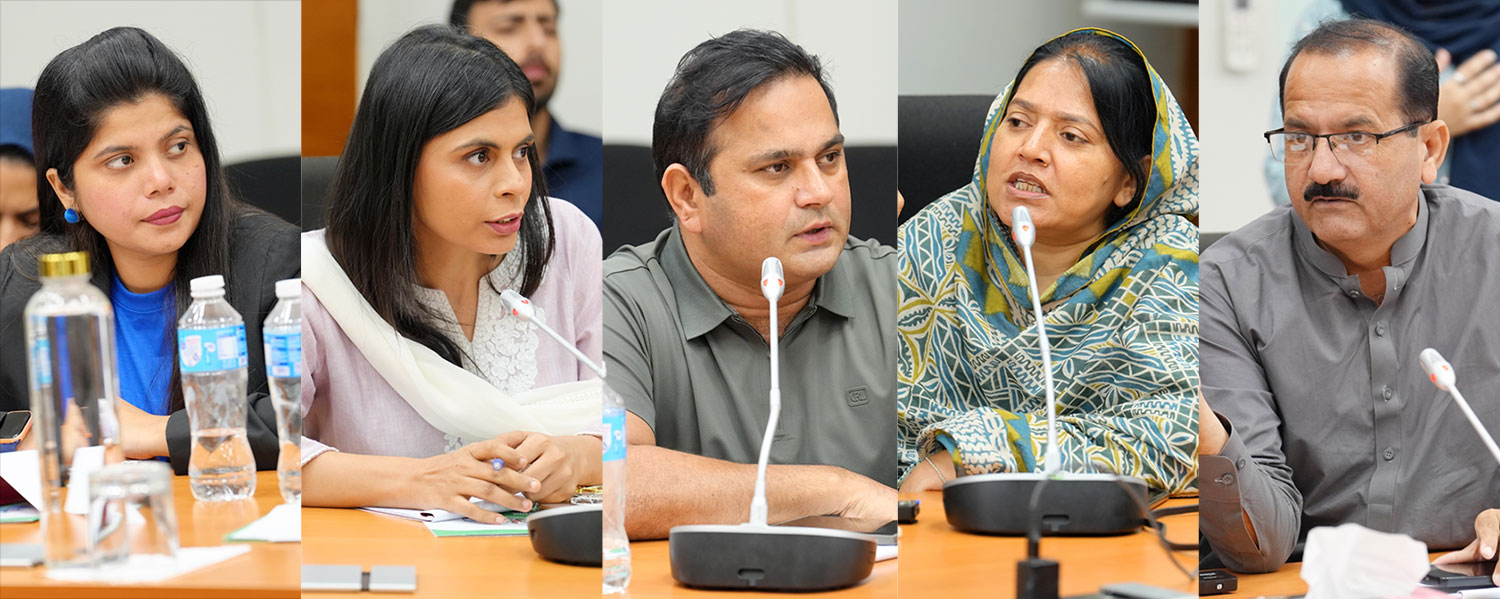
Journalists also raised questions about environmental surveillance and poliovirus detections, cross-border transmission and population movement, vaccination challenges and Pakistan’s progress in comparison with neighbouring Afghanistan and India.
This correspondent, who participated in the engagement in his capacity as President of the Health Reporters Association Karachi and Founder & Editor-in-Chief of Health Matters Media, raised questions about the number of refusals involving the Inactivated Polio Vaccine (IPV) and their implications for Pakistan’s polio eradication efforts.
Questions were also raised about increasing inflation, food insecurity and malnutrition among children and whether deteriorating household nutrition and socioeconomic pressures could affect children’s overall health and immunity and create additional challenges for public health interventions.
The Prime Minister’s Focal Person was specifically asked whether she would take concerns regarding child malnutrition and worsening household food affordability to the Prime Minister, particularly at a time when many low-income families are struggling to afford basic food items, including flour and vegetables.
During the interaction, this correspondent appreciated the efforts of National and Provincial Emergency Operations Centre officials, technical experts and frontline teams working under difficult circumstances to eradicate polio from Pakistan. The contribution and sacrifices of vaccinators, Lady Health Workers, security personnel and other field workers involved in repeated vaccination campaigns were also acknowledged.
This correspondent also welcomed the initiative to directly engage health journalists, observing that such interactions help journalists better understand the technical, operational and field-level complexities of polio eradication.
It was suggested that engagement between the polio programme and health journalists should continue on a regular basis and be expanded to the provincial level, enabling journalists to interact directly with programme leadership and technical experts and develop a better understanding of province-specific challenges, surveillance trends and realities faced by frontline teams.
From the perspective of health journalism, this correspondent assured programme officials of responsible and evidence-based reporting on public health issues of national importance, while emphasizing the responsibility of journalists to raise legitimate public concerns, ask critical questions and provide communities with accurate information about vaccination, disease prevention and other public health challenges.
The September campaign represents an important opportunity to strengthen population immunity and close immunity gaps in high-risk and hotspot areas. More than 273,000 frontline workers will support vaccination activities during the campaign.
Pakistan has reported four confirmed wild poliovirus type 1 (WPV1) cases in 2026, including three in Khyber Pakhtunkhwa and one in Sindh. Continued poliovirus detections through acute flaccid paralysis (AFP) and environmental surveillance reinforce the need for high vaccination coverage, strong surveillance and timely response.
The PEI also highlighted the importance of ensuring that children are protected through both polio vaccination and routine immunization. Oral polio vaccine (OPV) administered during campaigns provides additional protection against poliovirus, while routine immunization protects children against other vaccine-preventable diseases.
The Polio Eradication Initiative and the Expanded Programme on Immunization (EPI) continue to work together to identify and reach children who are not fully protected.
“The September campaign is an important opportunity to reach more than 31 million children in high-risk areas and strengthen population immunity against poliovirus,” Ayesha Raza Farooq said.
“I urge parents and caregivers to support vaccination teams and ensure that all children under five are vaccinated during the campaign, even if they have received polio drops before,” she added.
As part of the engagement, participating journalists also visited the Polio Laboratory at the National Institutes of Health (NIH), where experts briefed them on poliovirus testing, environmental surveillance and laboratory processes that support programme decisions and guide response measures.
The PEI urged parents, caregivers and communities to cooperate with vaccination teams and ensure that every child under five receives the polio vaccine during every campaign, stressing that sustained participation remains essential to protecting children and achieving a polio-free Pakistan.