
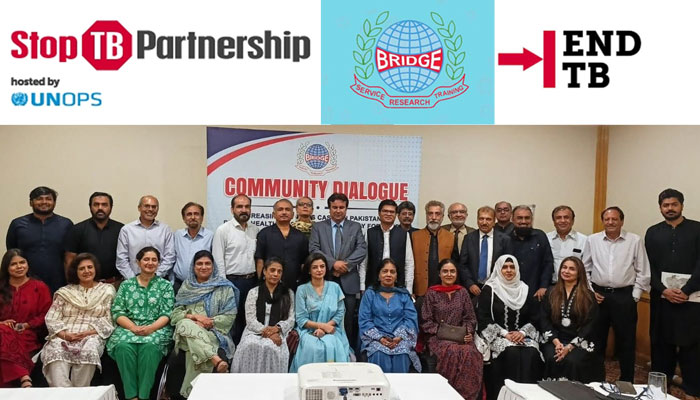
KARACHI: Health experts, policymakers, civil society representatives, development partners, academics, media professionals, and community leaders have called for urgent and coordinated action to address the rising number of HIV cases in Pakistan, particularly in Sindh and Punjab.
The call was made during a Community Dialogue on “Increasing HIV/AIDS Cases in Pakistan: Causes, Challenges and Way Forward” organized by the Bridge Consultants Foundation (BCF) at a local hotel in Karachi on Saturday.
Participants expressed serious concern over the growing HIV epidemic in the country and discussed recent outbreaks reported in Ratodero, Mirpurkhas, Nawabshah, Karachi, Hyderabad, Multan and Tunsa. They noted that these outbreaks have exposed major gaps in infection prevention and control practices and represent a significant public health challenge.
Experts observed that while many high-burden countries have successfully reduced new HIV infections through expanded prevention and treatment programmes, Pakistan continues to witness an increasing trend in HIV transmission. They emphasized the gap between the estimated number of people living with HIV and those who have been diagnosed and are receiving treatment.
The dialogue identified several factors contributing to the growing epidemic, including limited HIV testing and counselling services, inadequate surveillance systems, poor infection prevention and control practices, unsafe injection use, stigma and discrimination, weak regulation of informal healthcare providers, insufficient domestic funding, and low public awareness regarding HIV prevention and treatment.
Community representatives highlighted the difficulties faced by key populations in accessing HIV prevention, testing and treatment services. They stressed that stigma, discrimination and fear continue to discourage many individuals from seeking healthcare and support.
Prominent speakers at the event included Dr. Zulfiqar Ali Gorar, National CMU Coordinator; Dr. Zubair Abdullah, National Manager, HIV Control Programme; Dr. Buzdar and Dr. Ali Raza Kandhro from CDC HIV Sindh; Prof. Dr. Sten H. Vermund; Dr. Syed Sharaf Ali Shah, Executive Director, Bridge Consultants Foundation; Prof. Dr. Rafique Khanani; Dr. Fatima Mir of Aga Khan University; and Dr. Faisal from Aga Khan University.
Participants recommended scaling up HIV testing and routine screening among key populations and vulnerable groups, expanding community-based testing and HIV self-testing services, integrating antiretroviral treatment (ART) into primary healthcare facilities, and strengthening public-private partnerships.
They also called for the promotion of safe injection practices, stricter regulation of unregistered healthcare providers, wider use of auto-disable syringes, safe disposal of medical waste, and stronger infection prevention and control measures through training, supervision and accountability mechanisms.
The participants further stressed the need to address stigma and discrimination through public awareness campaigns and healthcare provider sensitization, strengthen HIV surveillance systems, increase domestic financing for sustainable HIV programmes, and launch large-scale awareness campaigns on HIV transmission, prevention, testing and treatment.
The dialogue concluded with a collective commitment to support evidence-based interventions and strengthen partnerships to curb the spread of HIV in Pakistan. Participants emphasized that HIV is not only a health issue but also a social and development challenge that requires a coordinated response from governments, healthcare providers, development partners, civil society, media and affected communities.
They urged all stakeholders to work together to expand access to prevention, testing and treatment services while protecting the rights and dignity of people living with HIV.