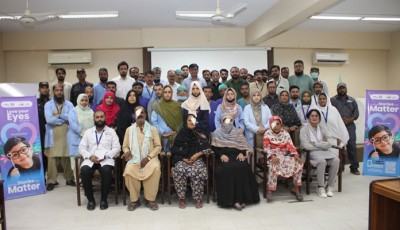

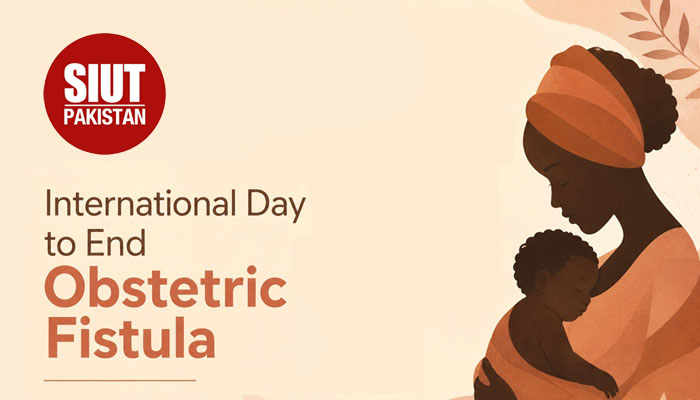
KARACHI: The Sindh Institute of Urology and Transplantation (SIUT) observed World Obstetric Fistula Day 2026 at its Agha Hasan Abidi Auditorium, calling for urgent investment in maternal healthcare to prevent obstetric fistula and other childbirth-related injuries.
The awareness session was held under the theme, “Her Health is a Right: Invest to End Fistula and Childbirth Injuries,” bringing together leading medical experts to highlight the causes, prevention, treatment, and long-term impact of obstetric fistula on women’s health and dignity.
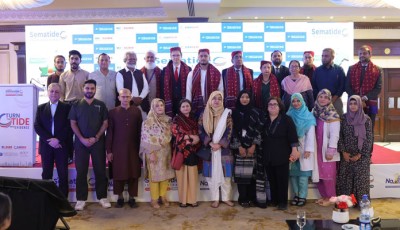
Among the speakers were Prof. Murli Dhar from SIUT, Dr. Mohammed Soheb Nizam from the United States, Prof. Pushpa Sirichand Sachdev from Isra University Hospital Hyderabad, and Prof. Riffat Jaleel from Dow University of Health Sciences (DUHS), Karachi.
Experts described obstetric fistula as one of the most devastating yet preventable childbirth injuries, usually caused by prolonged obstructed labour when timely emergency obstetric care, including Caesarean section, is not available. The condition can result in severe damage between the birth canal and the bladder or rectum, leading to continuous leakage of urine or stool.
They said women suffering from fistula often face not only physical complications but also social stigma, emotional trauma, and isolation, significantly affecting their quality of life and dignity.
Medical experts noted that an estimated 4,000 to 5,000 women in Pakistan develop obstetric fistulas annually, particularly in underserved rural areas where access to hospitals, emergency transport, and skilled birth attendants remains limited.
They said only a small proportion of affected women receive treatment due to a shortage of trained fistula surgeons, despite the fact that timely surgical intervention can restore health and improve quality of life.
SIUT, which provides free treatment for fistula patients, has performed more than 1,000 fistula surgeries using modern minimally invasive techniques. In 2025 alone, the institute successfully conducted 39 fistula surgeries, including nine robotic vesicovaginal fistula repair procedures.
The institute also runs a dedicated Female Urology Clinic every Friday for women suffering from the condition.
Speakers stressed that obstetric fistula can largely be prevented through stronger maternal healthcare systems, timely emergency obstetric services, availability of skilled birth attendants, improved rural maternity care, and free ambulance services.
Marking the day, SIUT reaffirmed its commitment to promoting safe motherhood, protecting women’s health, and working toward fistula-free communities, describing the elimination of obstetric fistula as both a healthcare priority and a matter of women’s rights and human dignity.