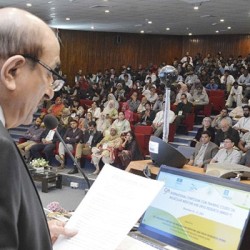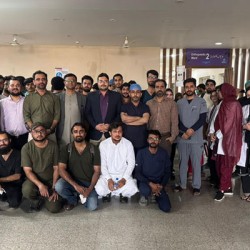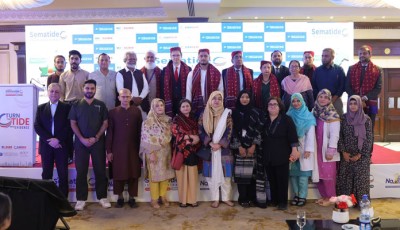

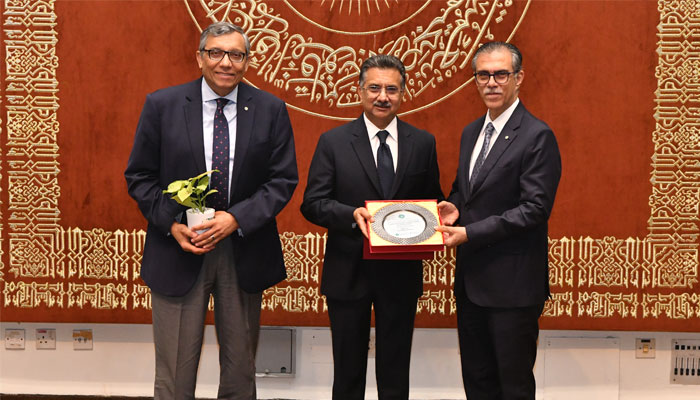
KARACHI: Women scientists, early-career researchers, and global health experts from across South and Central Asia gathered on Thursday at the Supporting Women in Science (SWIS) Conference 2025, hosted by the Institute for Global Health & Development (IGHD) at Aga Khan University (AKU) in collaboration with the University of Oxford.
Now in its third year, the SWIS Programme has emerged as one of the region’s most significant initiatives for advancing women’s scientific leadership. Since its inception in 2022, the programme has received nearly 700 applications from around the world and currently supports 84 fellows across nine countries. It offers mentorship, leadership development, research support, and specialized scientific training in key areas such as maternal and child health, climate resilience, nutrition, adolescent well-being, and health systems strengthening.
The 2025 conference marked the culmination of Phase III of the programme, bringing together fellows from Pakistan, Afghanistan, Bangladesh, Nepal, India, and Central Asian nations to present their research, strengthen regional collaborations, and engage with senior academics and policymakers.
Professor Zulfiqar A. Bhutta, Founding Director of IGHD, said the programme is shaping a new generation of scientific leadership. He noted that women scientists are reshaping public health, research, and innovation across the Global South. “SWIS is not simply a training programme — it is a movement for equity, visibility, and opportunity. Our goal is to build scientific ecosystems where women can lead, publish, innovate, and influence policy at the highest levels.”
Keynote addresses were delivered by experts including Dr. Tasnim Ahsan and Dr. Anjum Halai, who spoke on gender equity in academia, advancing women’s health research, and inclusive leadership in science. Sessions during the conference highlighted research in genomics, environmental health, chronic disease, maternal health, and health systems innovation.
Chief Guest Mr. Sultan Ali Allana, Chair of HBL, commended the vision and regional impact of SWIS, describing the initiative as a strategic investment in national progress. “When women researchers are supported, communities thrive, institutions advance, and nations progress. Supporting women in science is nurturing a generation of scientists who will define the future of health, development, and innovation across the region,” he said.
He also highlighted HBL’s efforts to promote women in scientific fields, particularly through the HBL Zarai initiative aimed at strengthening agriculture in Pakistan. He said several women agronomists working within the initiative are serving as agents of change on the ground by combining traditional knowledge with scientific principles to reduce crop losses and improve yields. Their contributions, he added, are inspiring young girls in rural areas to pursue careers in science.
AKU President Dr. Sulaiman Shahabuddin reaffirmed the University’s commitment to advancing gender equity in science. He said the SWIS initiative ensures that women scientists are not just included, but empowered to lead, adding that their contributions will shape the future of global health and sustainable development.
The two-day conference features lectures, research presentations, policy dialogues, and leadership workshops. The closing panel, led by IGHD, will outline the next phase of the SWIS initiative, which aims to expand fellowships, deepen collaboration with Oxford, and strengthen regional networks to promote scientific excellence and gender equity across the Global
South.