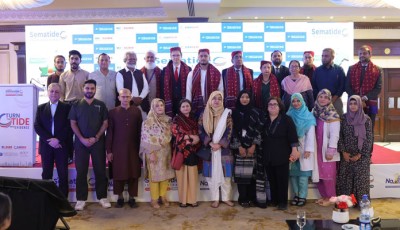

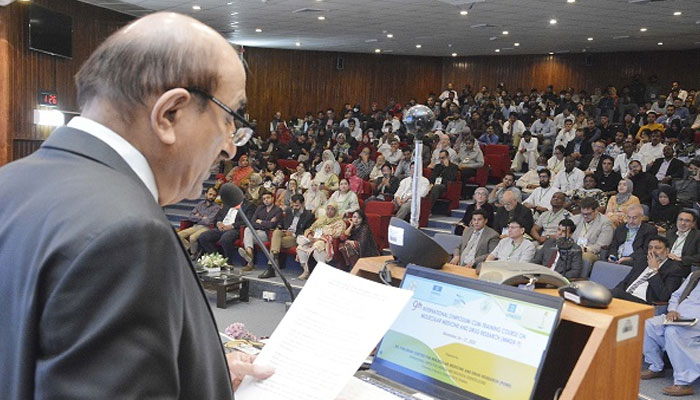
KARACHI: The four-day 9th International Symposium-Cum-Training Course on Molecular Medicine and Drug Research concluded on Thursday at the International Center for Chemical and Biological Sciences (ICCBS), University of Karachi, marking a significant moment of international scientific collaboration and academic exchange.
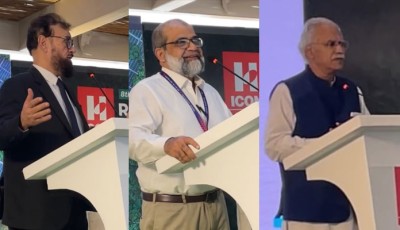
Addressing the closing ceremony, Sindh Minister for Universities and Boards, Ismail Raho, said that science has no boundaries, emphasizing that scientific knowledge is founded on inquisitiveness, evidence, and the pursuit of truth—values that transcend nationality, language, culture, and geography. He termed molecular medicine one of the most advanced scientific fields of the present era and congratulated ICCBS for hosting a successful international symposium. He also thanked national and international delegates for their valuable participation.
Vice Chancellor of the University of Karachi, Prof. Dr. Khalid Mehmood Iraqi, said that knowledge is the only key to addressing global challenges and steering humanity toward progress. He stated that it is the responsibility of scientists and researchers to serve society and contribute to the nation’s journey toward socioeconomic development. He expressed gratitude to the participants for their active engagement in the international event.
Director of ICCBS, Prof. Dr. Muhammad Raza Shah, appreciated the efforts of the organizing team—especially Prof. Dr. Asmat Saleem—and acknowledged the dedication of faculty members, staff, students, and volunteers who played a vital role in hosting the symposium. He expressed hope that the conference would prove meaningful for young scholars and strengthen collaborative research networks across different regions of the world. He also gave a presentation to the Minister highlighting the research and academic achievements of ICCBS.
It is noteworthy that more than 600 scientists, including foreign researchers from Benin, Bangladesh, Cameroon, Canada, China, Egypt, Ethiopia, Sweden, Iraq, Italy, Jordan, Lebanon, Malawi, Malaysia, Mauritania, Nepal, Nigeria, Qatar, Saudi Arabia, Sudan, Sultanate of Oman, Thailand, the United Kingdom, the United States, Uganda, Yemen, and other countries, attended the symposium. The event aimed to bring together leading experts in molecular medicine to explore advancements in the field and promote international scientific cooperation.