
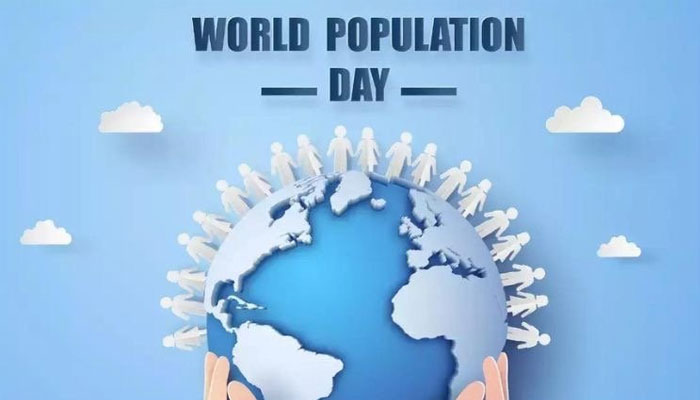
KARACHI: As the world observes World Population Day 2025, the Pakistan Medical Association (PMA) has raised a red flag over the country’s unchecked population growth, warning that it poses a serious threat to Pakistan’s healthcare system, resource sustainability, and long-term national wellbeing.
According to data from Worldometer, Pakistan’s population has crossed 255 million as of July 8, 2025, making up 3.10% of the global population. With an annual growth rate of 1.57%, Pakistan remains one of the fastest-growing countries in the world — a trend experts say is pushing the country closer to a health and economic crisis.
“This pace of population growth is unsustainable and will soon turn into a national time bomb,” said Dr. Abdul Ghafoor Shoro, Secretary General of PMA. “The pressure on healthcare, water, food, and education systems is already evident. If we do not act now, our existing infrastructure will collapse under the weight of unchecked demand.”
Health System Under Strain
The growing population is exerting immense pressure on Pakistan’s healthcare system. Public hospitals are overcrowded, maternal and child health indicators remain poor, and access to essential services in rural areas is increasingly limited.
In many districts, doctor-to-patient and nurse-to-patient ratios are far below international standards, and the surge in population has made it difficult for policymakers to plan and allocate resources effectively.
PMA’s Recommendations for Sustainable Health Outcomes
In its statement, PMA called for a coordinated national response involving policymakers, civil society, and healthcare professionals. The association emphasized the following priority areas:
Mass awareness campaigns: Educate the public on the benefits of smaller families, reproductive health, and responsible parenthood.
Access to family planning services: Expand the availability of contraceptives and reproductive health counseling, especially in underserved areas.
Empowering women: Recognize the key role of women in health and family decisions by improving their access to education and employment.
Strengthening maternal and child healthcare: Invest in health infrastructure, skilled birth attendants, and vaccination coverage.
“When women are educated and empowered, they can make informed choices about family planning — leading to healthier families and stronger communities,” said Dr. Shoro.
A Call to Action
- PMA stressed that population control is not just a development issue — it is a public health emergency.
- The association urged federal and provincial governments to prioritize reproductive health in policy planning, budget allocations, and healthcare reforms.
“We cannot afford to wait. Every year of inaction will make the crisis worse,” Dr. Shoro added. “Now is the time for bold decisions and united efforts to protect the future of our people.”