
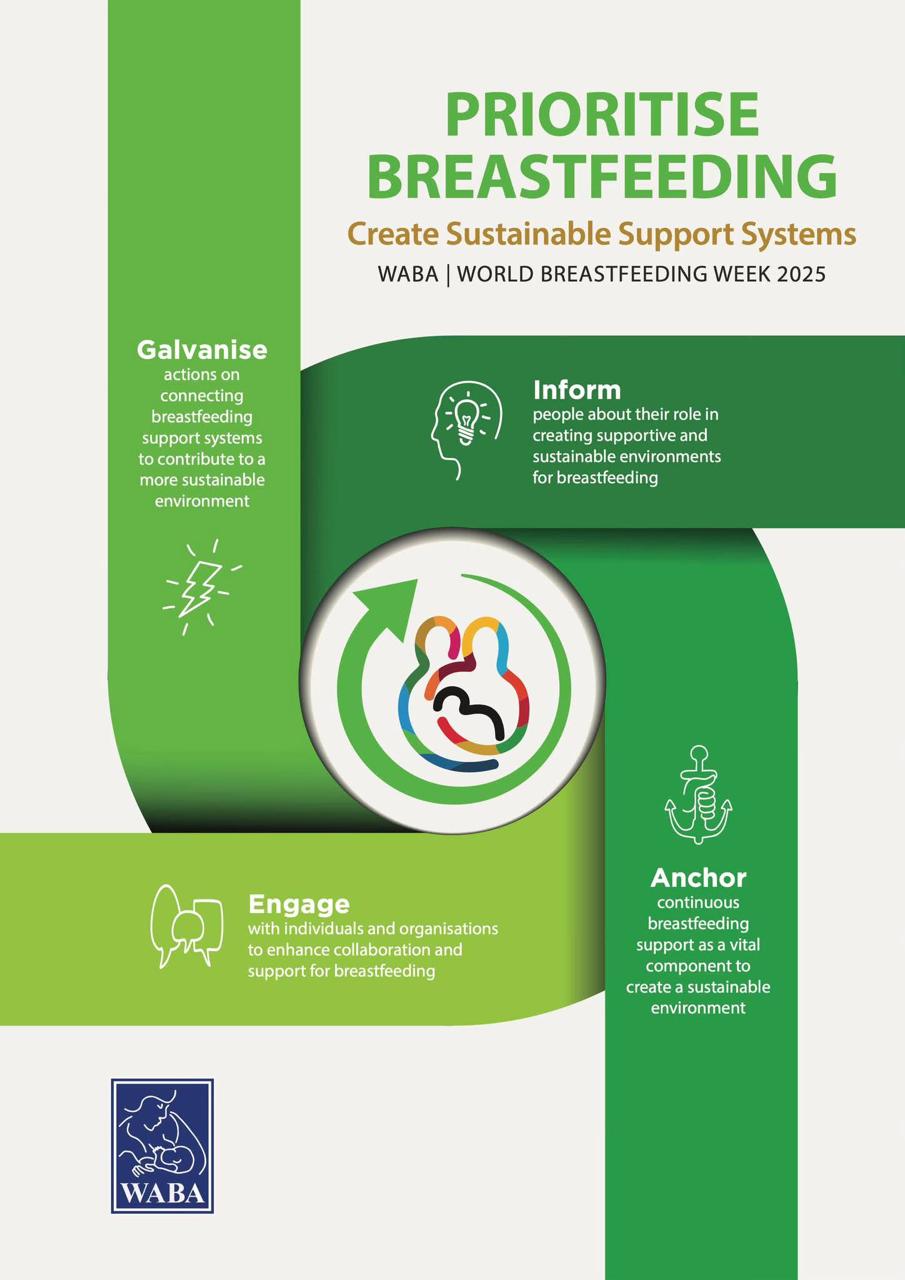
KARACHI: The global health community has once again united to observe World Breastfeeding Week, from 1 to 7 August 2025, under the theme: “Prioritise Breastfeeding: Create Sustainable Support Systems.” This annual campaign, led by the World Alliance for Breastfeeding Action (WABA) and supported by WHO, UNICEF, Ministries of Health, academia, and civil society, highlights the importance of breastfeeding as a life-saving and cost-effective intervention to ensure child health and development.
According to health experts, breastfeeding is one of the most effective strategies to promote infant and maternal health. However, despite widespread evidence of its benefits, less than half of infants under six months are exclusively breastfed globally. In Pakistan, the situation is even more alarming, with socio-economic challenges, lack of awareness, and workplace barriers further hindering progress.
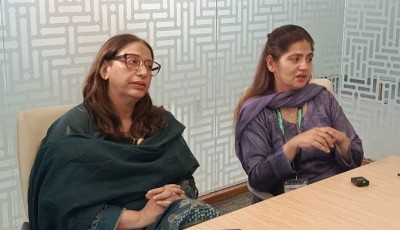
“Breastfeeding must be recognized not just as a personal responsibility of mothers, but as a shared societal duty,” said Dr. Farzana Ahmed, a maternal health specialist based in Karachi. “This year’s theme rightly emphasizes the need to create sustainable support systems—from healthcare providers and community workers to employers and policymakers.”
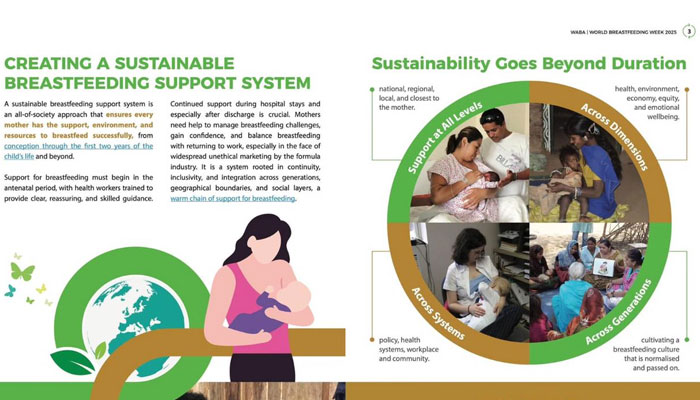
The 2025 theme draws attention to the role of broader ecosystems in enabling women to breastfeed successfully. These systems include breastfeeding-friendly workplaces, access to quality health services, family support, public awareness campaigns, and legal protections such as maternity leave and workplace lactation spaces.
A Resolution Backed by Global Consensus
In 2018, the World Health Assembly (WHA) passed a resolution formally endorsing World Breastfeeding Week as a critical platform for global health promotion. Since then, governments around the world have been encouraged to integrate breastfeeding into their national health strategies and development goals.
The campaign also aligns with the Sustainable Development Goals (SDGs)—particularly those related to health, gender equality, and reducing inequalities.
Local Context: Gaps and Opportunities
Pakistan continues to struggle with low rates of exclusive breastfeeding. According to the Pakistan Demographic and Health Survey (PDHS), only about 48% of infants under six months are exclusively breastfed. Experts attribute this to poor maternal nutrition, limited maternity leave, lack of awareness, and aggressive marketing by infant formula companies.
Dr. Ayesha Qureshi, Consultant Pediatrician at Civil Hospital Karachi, noted: “We need more than just messages about breastfeeding—we need real, practical interventions. Training for healthcare workers, community outreach, nutrition support for mothers, and strict enforcement of the International Code of Marketing of Breast-milk Substitutes are essential.”
Civil society organizations across Pakistan have also joined hands during the week to organize awareness walks, health camps, training sessions for healthcare providers, and social media campaigns.
Strengthening the Warm Chain of Support
This year’s observance also builds upon WABA’s concept of the “Warm Chain of Support for Breastfeeding”—a coordinated effort connecting different actors across the health system and community to ensure continuous care and encouragement for mothers.
Health professionals, midwives, employers, NGOs, media, and policymakers all play vital roles in sustaining this warm chain. Ensuring consistent breastfeeding messages across platforms—from prenatal check-ups to postnatal home visits—can help mothers make informed decisions and feel supported throughout their breastfeeding journey.
Conclusion: A Shared Responsibility
As World Breastfeeding Week 2025 unfolds, the call is clear: Support mothers, build systems, protect children. Breastfeeding is not just a personal choice—it is a public health imperative that demands collective investment, stronger laws, and coordinated action.
Health Matters Media urges stakeholders at every level to take meaningful steps to ensure that breastfeeding becomes the norm, not the exception, for every child born in Pakistan and around the world.