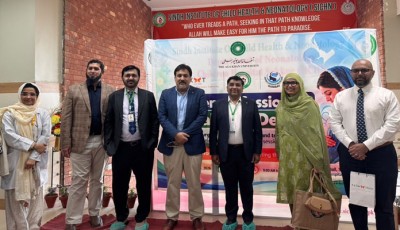

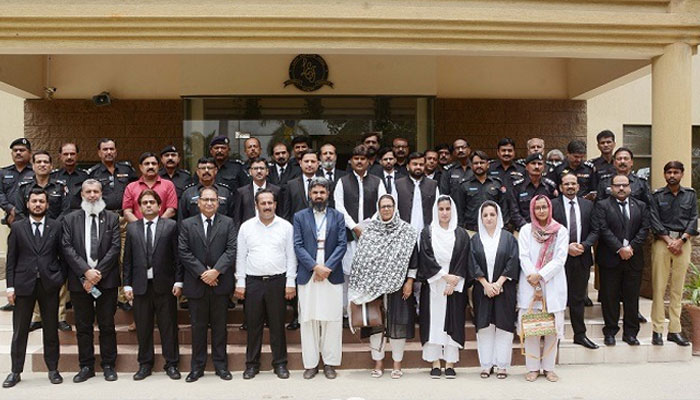
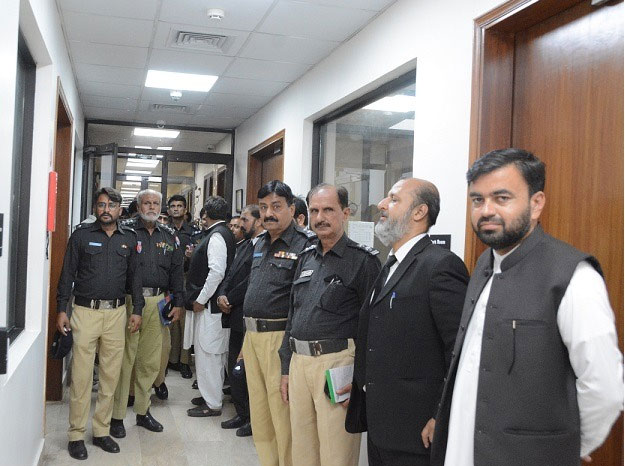
KARACHI: The Sindh Forensic DNA and Serology Laboratory (SFDL), housed within the International Center for Chemical and Biological Sciences (ICCBS), University of Karachi, hosted a one-day training session for 50 judges, prosecutors, medico-legal officers, and investigators from across Sindh on Wednesday.
The visit was part of a week-long capacity-building initiative organized by the Sindh Judicial Academy, aimed at enhancing the understanding of forensic science among judicial stakeholders. Participants were given firsthand exposure to modern forensic methodologies and their crucial role in criminal investigations.
In his inaugural address delivered online, Prof. Dr. Muhammad Raza Shah, Director of ICCBS, welcomed the delegation and highlighted the growing importance of scientific tools in solving complex crimes. He emphasized that rising crime trends in Pakistan demand the adoption of evidence-based practices and advanced forensic analysis.
Prof. Shah noted that the SFDL was established in 2019 with the financial support of the Sindh Health Department, and since then has provided forensic services in over 8,970 cases involving DNA and serology. "The conviction rate in DNA-related cases has improved significantly—from 4 percent to 15 percent—since the lab became operational," he stated. He also described ICCBS as a globally recognized institution of research excellence in the developing world.
Dr. Ishtiaq Ahmad Khan, In-charge and Project Director of SFDL, coordinated the visit and briefed the participants. He shared that the SFDL is the only forensic lab in Pakistan accredited under ISO-17025, ensuring its forensic reports meet international standards. He also emphasized SFDL’s role in building national capacity by routinely training judicial and law enforcement officials.
During the visit, attendees toured the lab and observed its operations. Judges and officials expressed appreciation for the facility's technical infrastructure and commended the quality of work being carried out.
The training concluded with a technical session and an interactive Q&A segment, during which participants posed insightful queries related to forensic procedures and evidence handling. Certificates were distributed among the participants at the end of the event.