
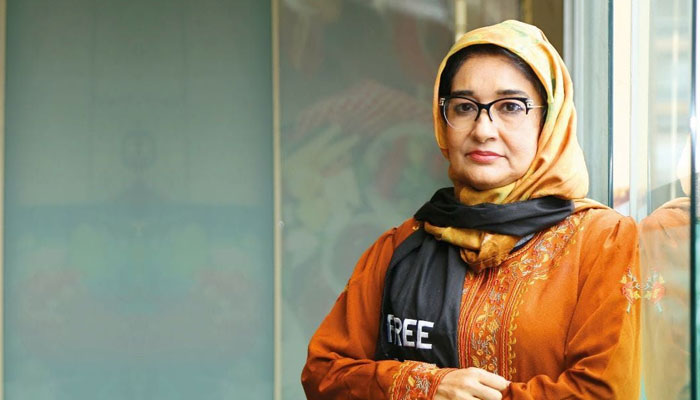
KARACHI: Epilepsy surgery is an effective treatment for drug-resistant epilepsy patients, said Professor Dr Fowzia Siddiqui, President of the Epilepsy Foundation Pakistan and Consultant Neurologist and Epileptologist at the Aga Khan University Hospital, Karachi.
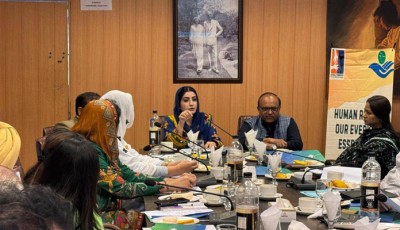
She was addressing the scientific session of the first International Pinscon 2025 Conference, where she presented her paper titled “Epilepsy Surgery: Patient and Procedure Selection and Outcomes.”
Dr Fowzia said epilepsy surgery is an established treatment for patients with drug-resistant focal epilepsy who fail to respond to at least two appropriate anti-seizure medications. The goal of the procedure is to remove or modify the brain region where seizures originate while preserving critical neurological functions.
She emphasized that patient selection is crucial and must involve a multidisciplinary team comprising epileptologists, neurosurgeons, and neuropsychologists. Ideal candidates are those with focal, localizable seizures arising from non-eloquent cortex and with realistic expectations about surgical risks and benefits. A comprehensive pre-surgical evaluation includes prolonged video-EEG monitoring, high-resolution MRI, and functional imaging such as PET, SPECT, or fMRI.
Dr Fowzia further explained that when non-invasive methods are inconclusive, invasive monitoring through stereo-EEG or subdural electrodes is performed. She said resective surgeries such as anterior temporal lobectomy, lesionectomy, or extratemporal resections offer the highest potential for seizure freedom, while disconnection procedures (corpus callosotomy, subpial transection) and neuromodulation techniques (VNS, RNS, LITT) serve as alternative or adjunctive treatments for non-resectable cases.
She noted that outcomes depend on epilepsy type, lesion localization, and surgical precision. Temporal lobe resections result in seizure freedom in up to 70–80% of suitable patients, whereas extra-temporal procedures yield relatively lower success rates. Early evaluation and intervention, she added, significantly improve seizure control, cognitive outcomes, and overall quality of life.
Dr Fowzia said that the treatment of epilepsy primarily involves medication and surgery, and surgical treatment has proven highly successful. She added that she has the honor of introducing epilepsy surgery in Pakistan and that, by the grace of Allah, many successful procedures have already been conducted.
She announced plans to expand the availability of epilepsy surgery beyond Karachi by launching a specialized training program to build capacity in other regions of Pakistan.
Other speakers at the conference included Prof Muhammad Nadeem Kasuri, Prof Ahsan Nauman, Prof Mujeeb Ur Rahman Abid Butt, Prof Qasim Bashir, Prof Brig Imran Ahmed, Prof Naila Naeem Shahbaz, Prof Athar Jawed, and others.