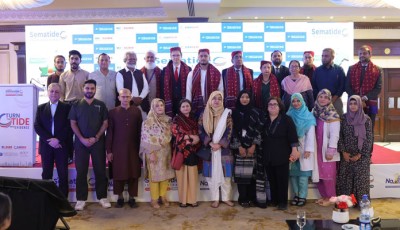

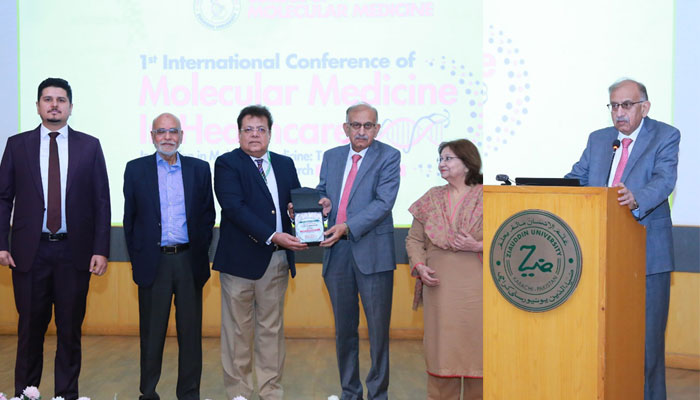
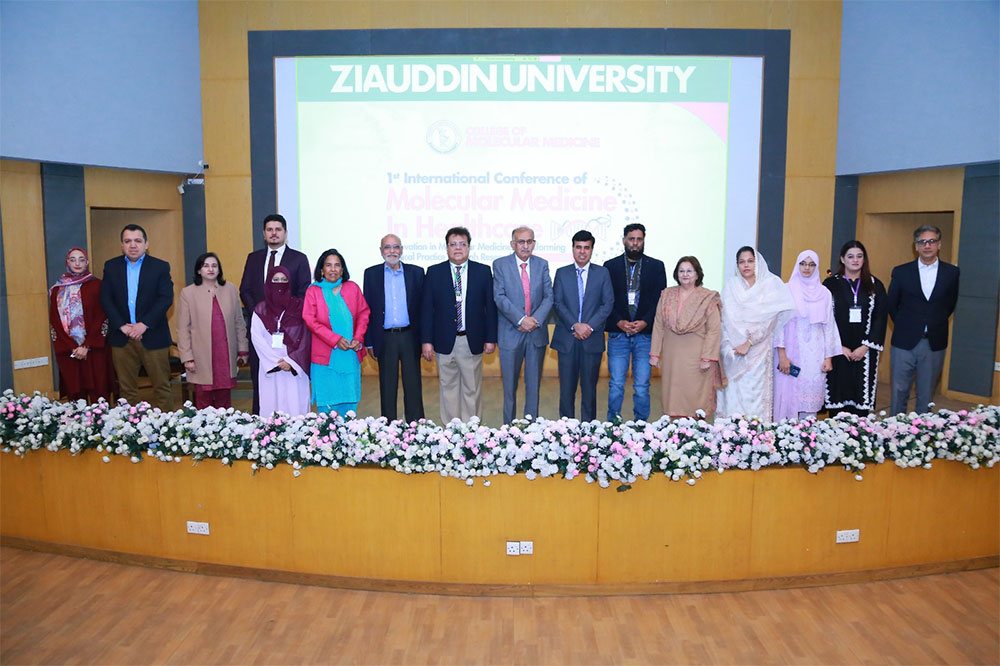
KARACHI: Ziauddin University on Friday hosted its first-ever International Conference on Molecular Medicine in Healthcare, highlighting the growing role of molecular science and artificial intelligence in transforming modern medical practice.
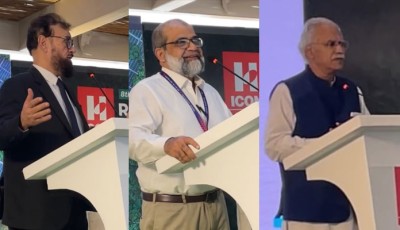
Speaking as the chief guest, Chairman Sindh Higher Education Commission Prof Dr. SM Tariq Rafi said that modern medicine is entering a new era where precise and patient-specific treatments depend on a deep molecular understanding of diseases. He noted that artificial intelligence is significantly improving diagnostics and research, but its real strength lies in being combined with human expertise and clinical insight.
The two-day conference, organized by the College of Molecular Medicine, Ziauddin University, was held under the theme “Innovation in Molecular Medicine: Transforming Clinical Practice Through Research.” The event aimed to promote understanding of diseases at the molecular level, encourage precision medicine, and strengthen research-based approaches for developing advanced diagnostics and targeted therapies.
Addressing the participants, Prof Dr. Tariq Rafi emphasized the shift from traditional clinical approaches toward molecular-based healthcare systems, stating that molecular insights are enabling clinicians to design highly effective and individualized treatment strategies.
Vice-Chancellor Ziauddin University Prof Dr. Muhammad Ali Shaikh, while addressing the conference, said that molecular medicine is reshaping healthcare by linking each patient’s unique biological profile with accurate, targeted, and predictive treatments. He congratulated the organizers on hosting the first international conference in this emerging field.
President Pakistan Society of Microbiology Prof Dr. Shahana Urooj Kazmi, in her keynote address, discussed the role of genomics and molecular technologies in the development of effective therapeutics. She stressed that research-driven innovation is essential for the advancement of precision medicine and the future of healthcare.
Another keynote speaker, Director ICCBS Prof Dr. Raza Shah, highlighted supramolecular approaches in drug delivery to improve treatment efficacy and targeted therapies.
Dr. Syed M. Shahid from Eastern Institute of Technology, Auckland, New Zealand, spoke about molecular and lifestyle-linked risks of diabetes, emphasizing the need to understand molecular mechanisms alongside lifestyle interventions for effective disease management.
Earlier, Executive Director Research and Principal College of Molecular Medicine Prof Dr. Talat Mirza underscored the rising importance of molecular medicine, stating that the discipline is rapidly shaping future healthcare delivery and is being integrated into academic programs at leading medical institutions worldwide.
Poster presentations by students and young researchers were also a key feature of the conference. In the postgraduate category, Dr. Kevin Joseph secured first position, followed by Dr. Afifa Razi and Rafia Bilquis Siddiq. In the undergraduate category, Anoosha Asif won first position, Hafiza Saleha came second, while Amna Asad secured third place.